Every Hunt demands a Sacrifice
Coming Soon
Every Hunt demands a Sacrifice
Coming Soon"I found the man Drest is looking for."
Elara's heartbeat faltered. A single beat that arrived early. "Callum," she whispered.
"He was crystallised from the waist down. The mineral growth has reached his throat. His eyes move. His face was—" Tarahn stopped.
The room held its breath.
"He is alive. He is aware."
Elara's hand moved from the chart to her plait, pulling the dark rope of hair over her shoulder and gripping it at the base.
"Twenty-three others." He said it, because the number was owed to the woman who had charted the growth without knowing its true cost. "In the main chamber. The oldest have been there for decades. The newest—"
"Stop." She cried out. "Enough."
The town survives on the back of a horror it cannot afford to end.
A walled mining town behind sealed doors and guarded shafts. The iron is running out, but something else is growing in the deep — a crystalline ore beautiful enough to sell and terrible enough that the miners who harvest it sometimes don't come back.
Tarahn arrives disguised as a tunnel-crawler. The sealed doors, the guards who face inward, and the silence the town has built around its secret tell him everything he needs to know. Something vast and patient waits below. And this town has made its peace with the arrangement.
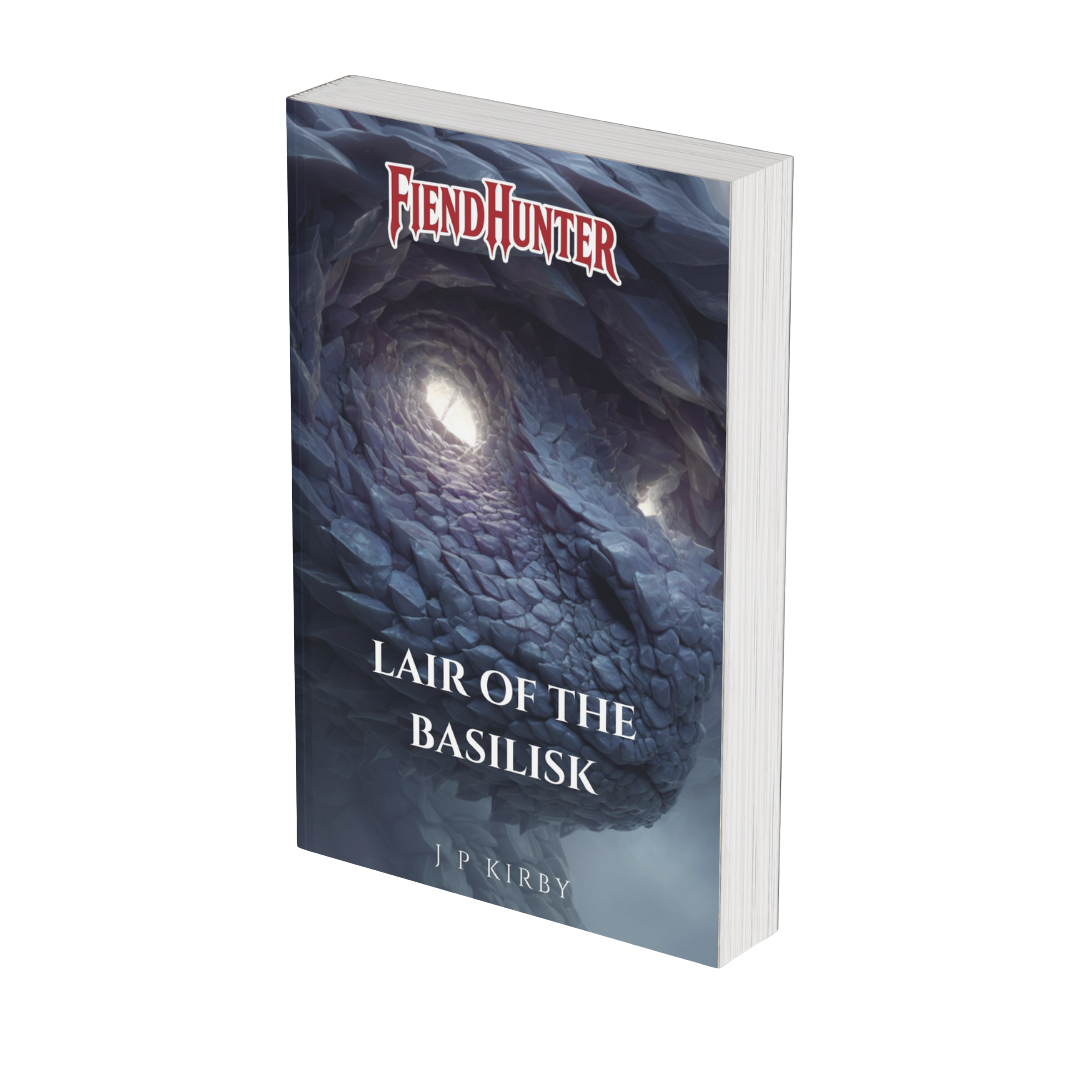
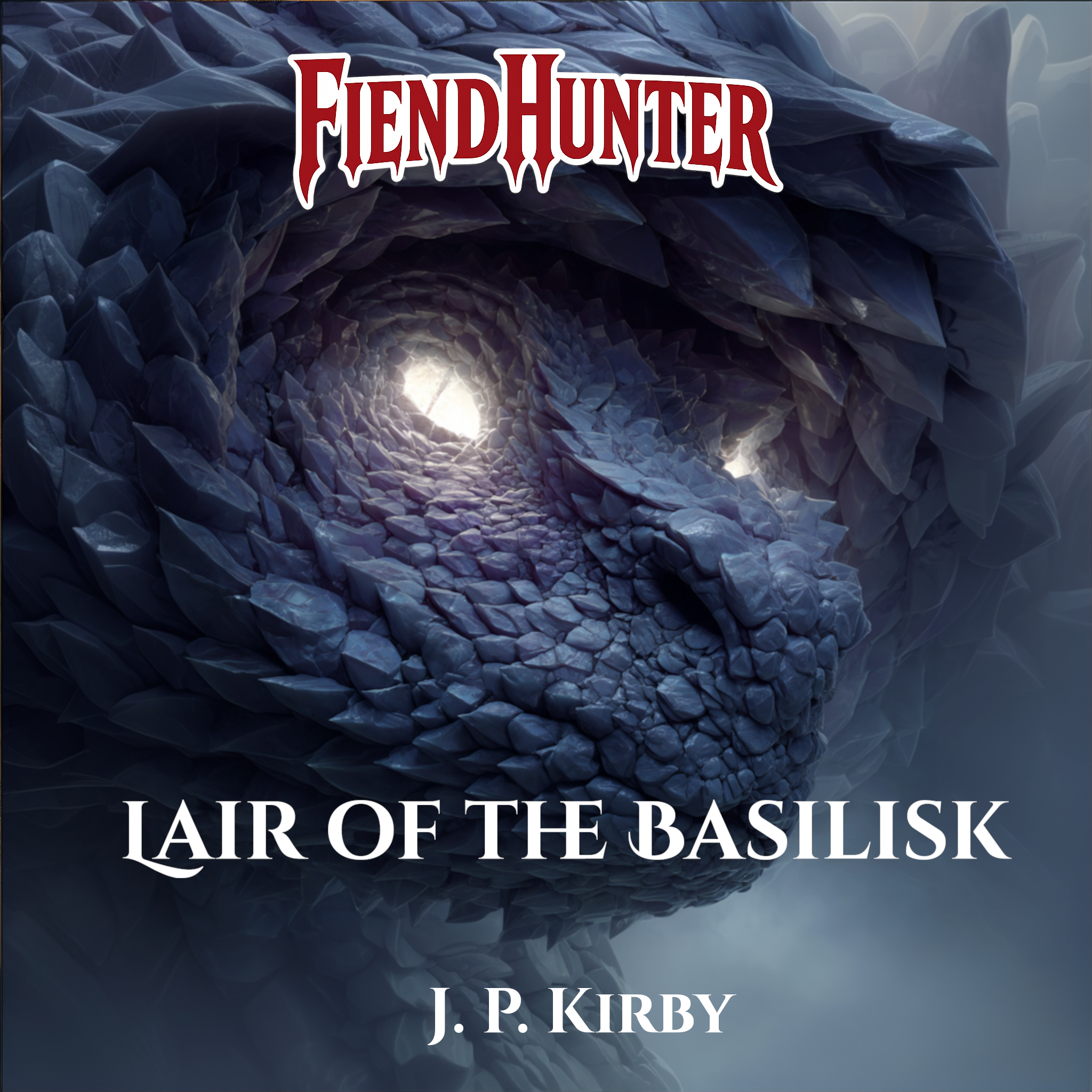
Something ancient coiled in the flooded dark beneath the mountain — fused with the stone itself, patient as geology, with eyes that do something far worse than kill. The miners who have seen it line the deep tunnels still. They are not dead. They are not alive. They are something in between, and they are conscious.
Killing the beast may destroy everything. Leaving it alive condemns more men to something worse. The hunt has no clean answer. The town knows what lives below, and it has decided that survival may be worth the price. Tarahn is the one who will decide.